Highlights
- Resilient teams are key to long-term success, helping businesses navigate change, disruption, and innovation with confidence.
- Industry shifts highlight the need for agility, upskilling, and a supportive culture as core components of team strength.
- Strategies for resilience include promoting psychological safety, encouraging ongoing development, and supporting diversity of thought.
- TalentWorld helps employers build future-ready teams by sourcing adaptive talent, supporting workforce planning, and aligning hiring with organizational agility.
- Organizations that prioritize resilience today will be better equipped to lead tomorrow’s ever-evolving market.
Artificial intelligence continues to transform the hiring landscape, but with this progress comes new responsibility. Employers are now expected to balance efficiency and automation with fairness, transparency, and trust. Using AI responsibly is no longer optional. It is a core component of protecting your people, your brand, and your long-term recruiting success.
In this blog, we explore what responsible AI really means for employers, how to integrate it effectively, and how TalentWorld upholds ethical practices in every AI-enabled step of the hiring process.
Why AI Is Reshaping the Hiring Process
AI-powered tools now support everything from candidate sourcing to resume screening to interview scheduling. For employers, this means faster hiring cycles, better use of recruiter time, and the ability to evaluate large volumes of applicants more efficiently.
However, as AI becomes more deeply embedded in hiring, decision-making becomes less transparent. Employers must ensure that algorithmic tools work in service of fairness and accuracy, not shortcuts. Responsible AI requires clear oversight, thoughtful implementation, and strong collaboration between technology and people.
What Responsible AI Means for Employers
Responsible AI is not just about the technology itself. It is about how it is used. A responsible approach includes several key practices:
1. Human Oversight at Every Stage
AI should support hiring decisions, not replace them. Recruiters and hiring managers must maintain final judgment, review automated recommendations, and be ready to question the outcomes.
2. Transparency in How Tools Work
Employers should understand the basic logic behind the AI systems they use. Ask vendors how their models were trained, which variables they evaluate, and how they monitor for unintended bias.
3. Regular Audits for Fairness and Compliance
AI models can drift over time. Regular reviews help ensure tools remain compliant with hiring laws and do not disadvantage protected groups.
4. Clear Communication With Candidates
Responsible AI includes explaining to candidates when and how automated tools are used. This builds trust and encourages a more open, positive hiring experience.
Reducing Bias Through AI, Not Reinforcing It
AI has tremendous potential to reduce human bias in hiring, but only when built and monitored carefully. Automated screening tools can evaluate qualifications consistently and avoid snap judgments. Yet if the data used to train an algorithm contains historical bias, those patterns can unintentionally continue.
To prevent this, employers should work with vendors who test for demographic outcomes, monitor model performance, and offer documentation about their fairness safeguards. AI has the power to support more inclusive hiring, but only when transparency and accountability guide its use.
The Ideal Balance: AI Speed Meets Human Judgment
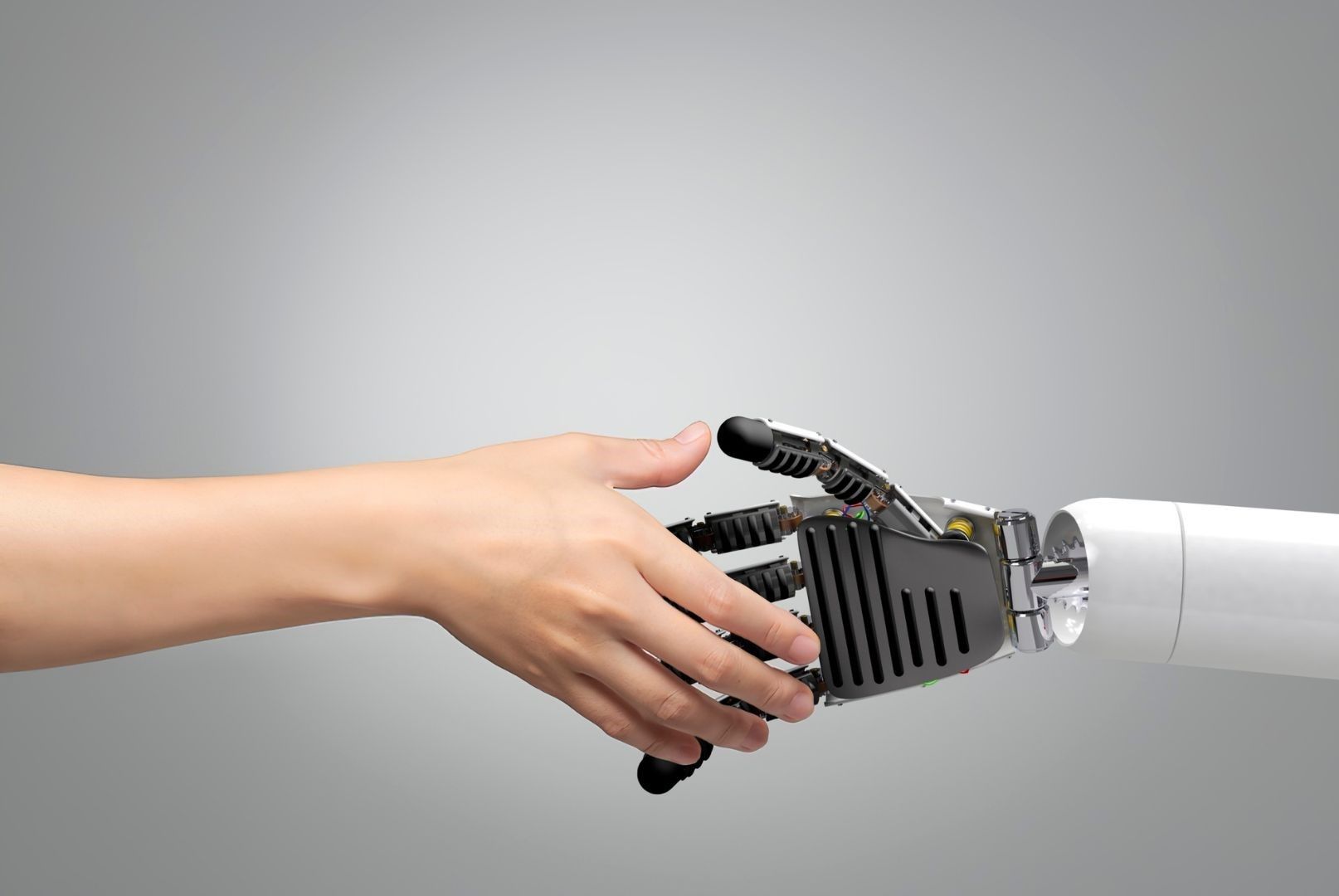
AI offers speed, consistency, and scalability. Humans provide context, empathy, and nuance. When the two work together, employers achieve stronger hiring outcomes.
- Balanced hiring workflows often include:
- AI-assisted resume review paired with human scoring
- Automated scheduling with recruiter-led communication
- Skill assessments supported by structured interviews
- Predictive insights combined with manager feedback
This hybrid model strengthens decision-making and ensures candidates are evaluated with both objectivity and care.
How TalentWorld Approaches AI Responsibly
At TalentWorld, responsible AI is a core principle of how we support clients and candidates. Our approach includes:
- Using technology only to enhance, never replace, human decision-making
- Working with trusted partners whose AI tools meet strict fairness and compliance standards
- Conducting consistent oversight to ensure tools remain accurate and equitable
- Maintaining candidate transparency in all automated processes
- Empowering our recruiters to review and validate AI-supported insights
Our goal is simple: use innovation to help employers hire smarter and faster while protecting people and strengthening trust.
Preparing for the Future of Ethical Hiring
AI will continue to reshape hiring, but responsibility must guide its evolution. Employers who build ethical, transparent, and well-balanced hiring systems are the ones who will stand out to candidates and stay aligned with regulatory expectations.
By treating AI not as the decision-maker but as one part of a thoughtful hiring strategy, organizations can build a more fair, efficient, and future-ready recruitment process.